

The Operating System Behind Accountable Digital Performance
A disciplined operating model that defines success upfront, designs the system accordingly, and improves performance through live measurement and continuous correction.
A Unifying Operating System.
Digital performance rarely fails because work stops. It fails because execution, measurement, and decision making evolve independently as systems scale.
This operating model keeps those elements aligned. It ensures that success is defined clearly, infrastructure reflects that definition, and performance signals drive correction while the system is live.
The result is improvement that compounds rather than resets.
Define Success
Our work follows a deliberate end-to-end system in which strategic intent governs architecture, execution, and measurement from the outset, without handoffs or interpretation gaps.
01
Define Success & Ownership
Success is defined in business terms before the system is designed. Revenue impact, cost thresholds, and decision rules are agreed early so results cannot be reinterpreted later.
02
Architect the System
Platform architecture, experience structure, and measurement foundations are designed together. Performance and scale are built in from the start rather than retrofitted after launch.
03
Operate in Live Conditions
The system is validated against real users, real traffic, and real constraints. It is tested under pressure to ensure it performs as intended in production environments.
04
Measure for Decisions
Measurement is implemented as infrastructure, not reporting. Signals are selected because they change priorities, investment decisions, and operational focus.
05
Correct and Improve
As performance signals emerge, execution and intent are adjusted together. The system is corrected continuously to prevent drift and maintain alignment as conditions change.
Methodology
Why an Operating System is Required
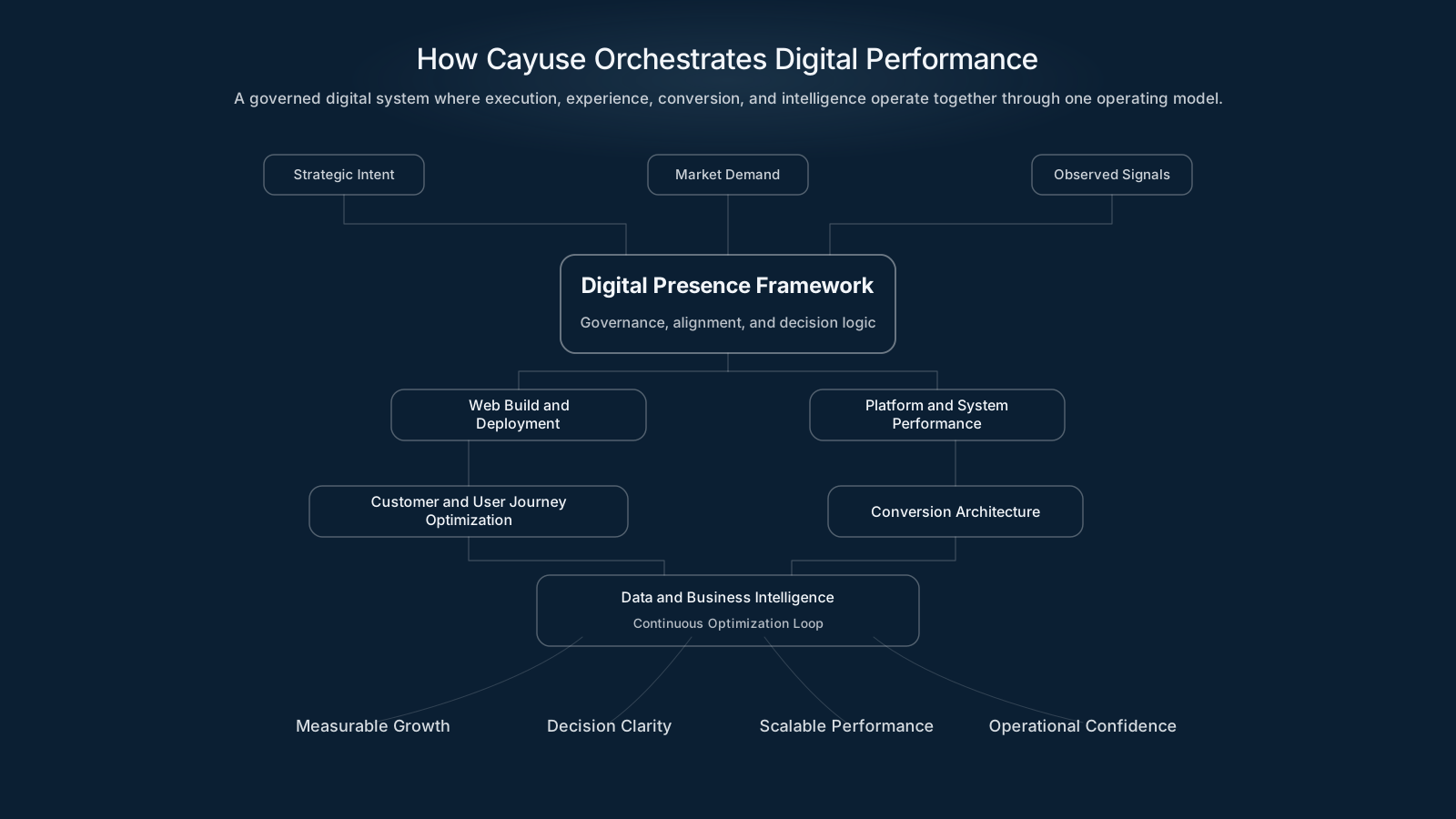
Digital performance does not degrade because teams stop working or tools fail. It degrades because execution, measurement, and decision making evolve independently over time.
As systems scale, priorities shift, platforms change, and optimization accumulates. Without a unifying operating model, performance signals fragment, decisions become reactive, and improvements fail to compound.
An operating system prevents drift by enforcing consistency in how success is defined, how performance is observed, and how change is made. It creates a shared structure that keeps improvement aligned while the system is live and carrying real business consequence.
Operating Model
Measurement Designed for Decisions
Within this operating model, measurement functions as core infrastructure. It exists to trigger correction rather than explanation.
Clear Definitions of Success
Measurement is designed to answer whether agreed business outcomes are being achieved. It is not designed to maximize activity or volume.
Traceable Ownership
Performance signals are tied to defined owners across execution and operations. Leadership can see where accountability sits and where intervention is required.
Decision-Grade Signals
Signals are selected because they enable action. Reporting is structured around the questions leadership must answer, including investment efficiency, risk exposure, and system reliability.
Maintained Over Time
Measurement does not end at launch. Definitions and signals are reviewed and refined as conditions change so performance confidence does not erode.
STRATEGIC CONTEXT
The work is defined by what remains.
Campaigns, recommendations, releases, and dashboards can all contribute. Their value increases when connected to a system the organization can operate, measure, and improve.
Creative output
Strategic intent carried into the system
Recommendations and handoff
Decisions, standards, ownership, and context retained
Speed-first delivery
Controlled improvement that protects system integrity
Dashboards and reporting
Decision-grade signals that trigger action
AN OUTCOME-DRIVEN SYSTEM PRACTICE

A Serious Conversation About Digital Accountability
If your digital systems materially affect revenue, risk, or decision-making, a disciplined conversation about ownership, governance, and performance is often the most valuable place to start.